
Gameplay
How the Criminal Simulator night loop works: stealth, police and K9 responses, the loot deadline, and the debt-and-sniper fail state.
Introduction
The gameplay hub explains how the Criminal Simulator night loop actually works. Everything in the experience circles one pattern: rob after dark, stay quiet, and sell the loot before the deadline. Inside that loop you juggle stealth behavior, the night cycle, police and K9 responses, the clock pressure of selling, and the debt-and-sniper fail state that hangs over every run. Because the title is in Alpha, official values are scarce, so this section explains mechanics as principles: how detection works, why residents wake up, and why the deadline shapes strategy more than any single upgrade. Treat each article as a mental model you can carry into any build, and check the Updates page whenever the loop seems to behave differently than a guide describes.
Core Systems at a Glance
| System | What It Does | When It Bites | Quick Rule |
|---|---|---|---|
| Night Cycle | Keeps heists after dark | Daytime planning is limited | Wait for night before entering the city |
| Stealth | Lets you move past sleeping residents | Noise wakes buildings | Stay quiet and out of sight |
| Police & K9 | Chase spotted players | Going loud triggers them | Outrun, do not fight |
| Deadline & Debt | Ends the run and drives the economy | Unsold loot is lost | Sell in time, clear the debt |
Loop Breakdown
Night Loop
The sneak-grab-sell rhythm on repeat
Stealth Rules
The noise and sight rules that keep you invisible
Police & K9 Response
What actually happens when the night goes loud
Deadline & Debt
The timers that shape every decision
Core Mechanics
Criminal Simulator runs on a fixed rhythm: enter the city after dark, rob a target, and sell the take before the deadline. Stealth is the default path — residents sleep during the night, but noise or careless movement wakes them and attention spreads. Once the alarm rises, police respond and their K9 dogs join the chase, so the official loop is built around outrunning them rather than fighting. The deadline is the timer of each session: any loot still unsold when it hits is effectively gone, and the whole run resets around the debt you start with. Because exact numbers are not published in Alpha, treat these mechanics as the stable backbone and any specific values as community-reported until verified in-game.
Advantages
Understanding the gameplay systems first makes every guide on this site easier to use. Once you know why residents wake to noise, you can evaluate any robbery plan instead of following it blindly. Learning how police and K9 behave turns chases from panic moments into a solvable problem: break line of sight, keep moving, and lose both cars and dogs. Grasping the deadline and the debt explains the entire economy — why you sell fast, why cash matters, and why the sniper haunts your progress. System knowledge also survives Alpha patches because the loop stays stable even when the specific values written in a guide change from one build to the next.
Challenges
Criminal Simulator is young, and several mechanic details are only confirmed through community videos and reports rather than official documentation. Stealth timings, police reaction distances and exact deadline lengths are all community-estimated during Alpha, so an article that describes a specific window may be outdated after a build. The game also changes quickly, which means behavior you learned last week can shift this week. Always pair a mechanics article with the latest Updates page and verify anything time-sensitive in-game before relying on it. When a patch changes stealth or police behavior, the principles in these articles usually still hold even when the exact numbers move.
Frequently Asked Questions
How does the night cycle affect play?+
What happens when residents wake up?+
Is fighting ever the answer?+
Quick Tips
Listen to the noise you make. Sprinting, jumping and breaking objects all broadcast you through a building, so walk where you can, drop into a crouch near sleepers, and let your crew move one room ahead instead of stomping together through every door. If you are unsure whether a surface creates noise, test it once on an empty street before you need it inside a heist, so the habit is already automatic under pressure.
Know where the nearest exit is before you grab anything. The fastest way to lose a clean run is standing in a room deciding which way to leave, so mark an escape route at the door, grab only what you can carry, and walk that route backwards on the way out to keep the exit clear.
Use the deadline as a planning tool. Estimate how long the grab takes, add the escape time, and only commit to targets that fit inside the night. A smaller clean sale always beats a big haul that misses the deadline. Keep the estimate honest: add a buffer for trips, missed turns and the slow seconds when a resident stirs, because the run does not pause the timer while you correct a mistake.
Featured
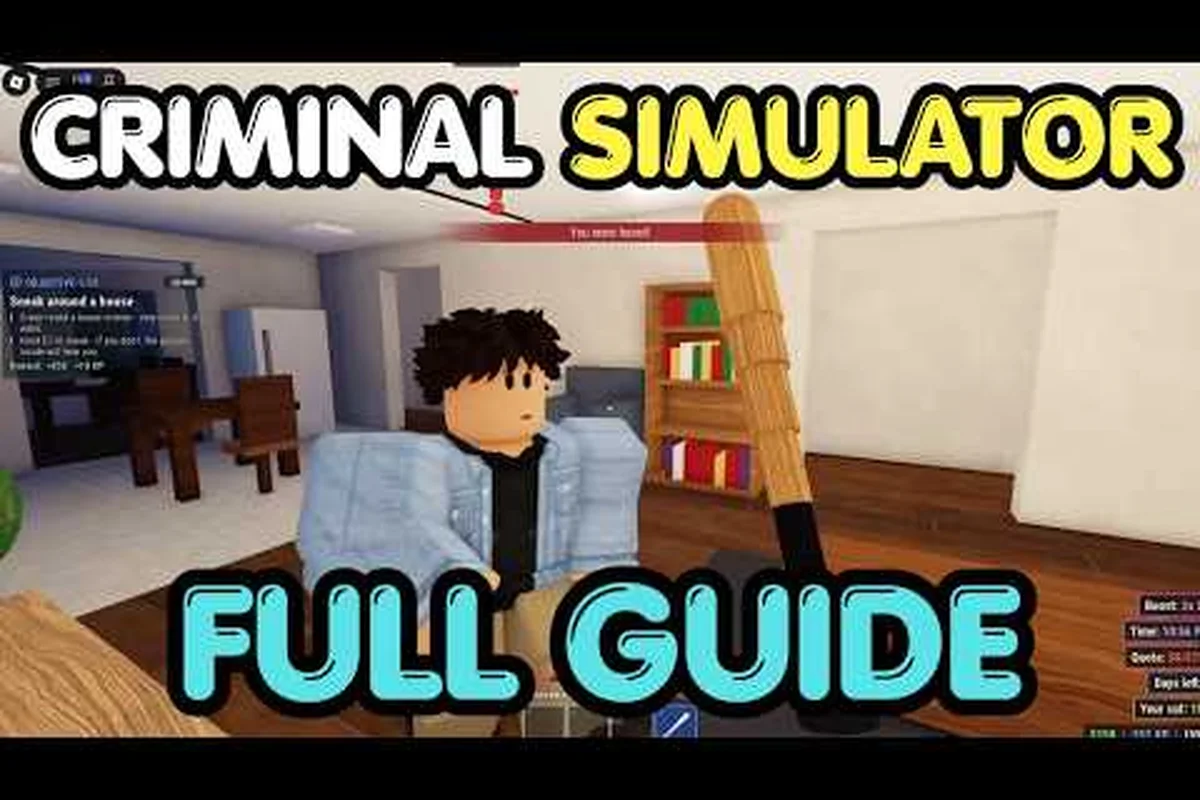
Criminal Simulator Alpha Content and Progression Overview
Explore criminal simulator alpha content, including round structure, account progression, available systems, and what the current release includes.
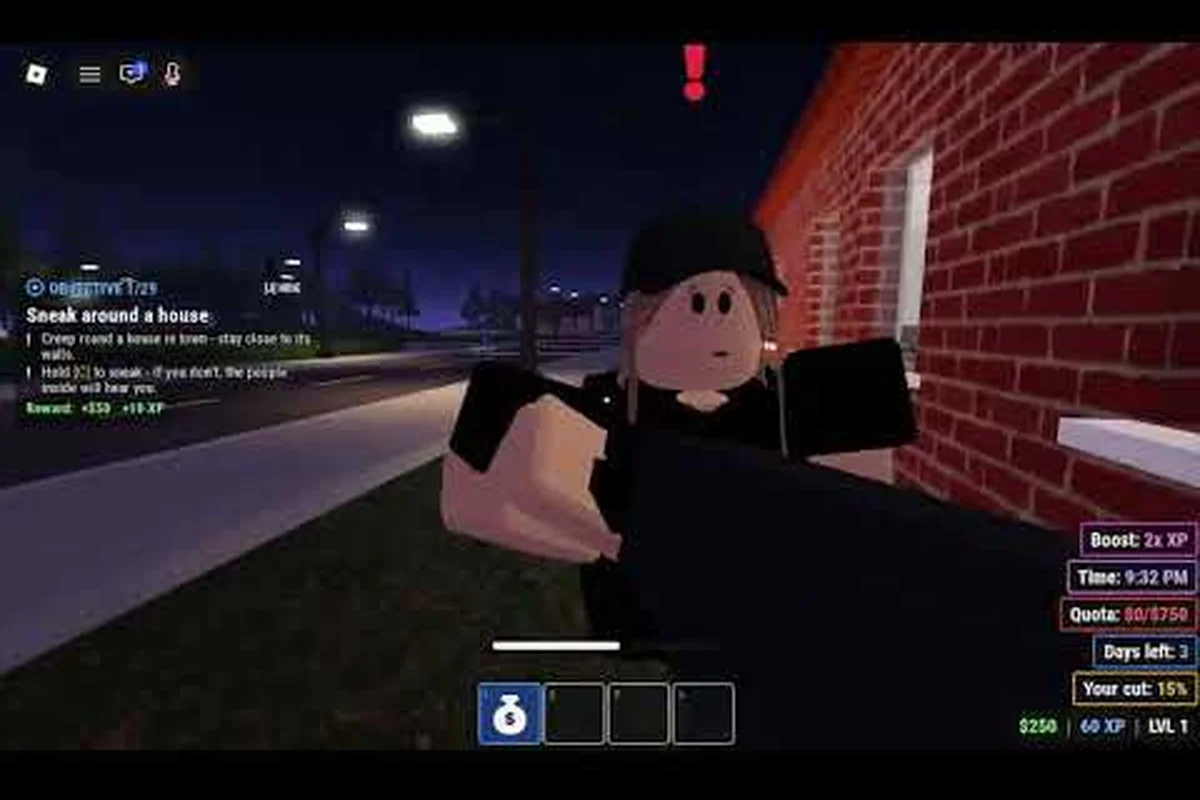
Criminal Simulator Gameplay Mechanics Explained Simply
Learn criminal simulator gameplay mechanics, from the night cycle and crew roles to stealth, loot spawning, and police patrols.
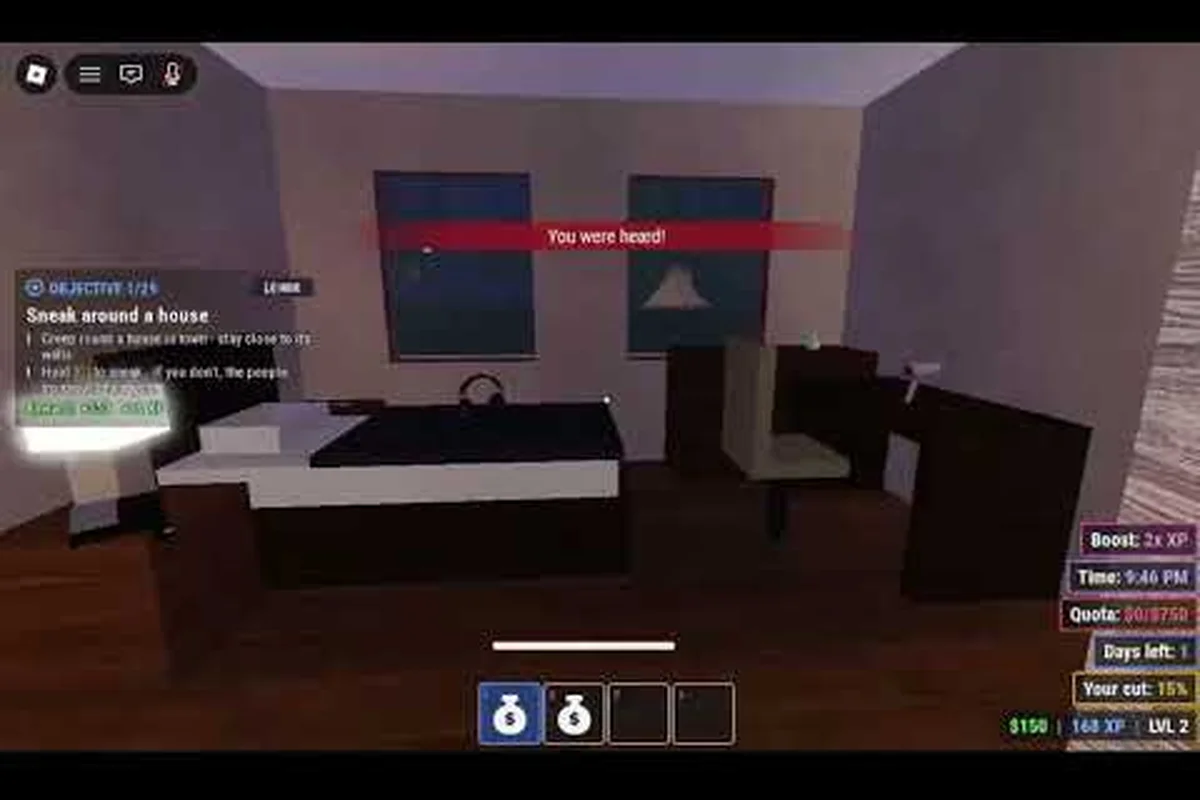
Criminal Simulator How Selling Works: Loot and Deadlines
Learn how selling works, where to sell loot, how deadlines trigger, and what happens when payment is missed in Criminal Simulator.
All Articles

Criminal Simulator How the Sniper Works During Heists
Learn how the sniper threat works in Criminal Simulator, when a failed heist can trigger it, and how crew choices affect your chance of escaping.

Criminal Simulator Multiplayer Mechanics: Crew Roles and AI
Explore Criminal Simulator multiplayer mechanics, including crew duties, police and dog AI, shared objectives, and difficulty scaling for Roblox night heists.

Criminal Simulator Police Behavior: Dogs, Chases, and Arrest
Understand criminal simulator police behavior, including canine tracking, chase triggers, arrest consequences, and ways to break contact.
Criminal Simulator Server Size and City Map Breakdown
Check Criminal Simulator server size, Alpha map details, loot spawns, nighttime targets, crew capacity, and the mechanics that shape each heist.