
Co-op
Criminal Simulator co-op: crews of up to four, playing with friends, splitting the work and the solo-versus-crew trade-off.
Introduction
The co-op hub covers the multiplayer side of Criminal Simulator: crews of up to four players, playing with friends, splitting the work of a night run, and the real trade-off between going solo and running with a crew. The official game page confirms support for 1–4 players and highlights playing with friends as a core way to play. This section explains how crews change the heist loop — who grabs, who watches the street, how you sell together — and it is honest about which parts are confirmed and which are still community-suggested while the game stays in Alpha. Every article treats crew size as a planning lever rather than a fixed rule, because the right plan for a duo is rarely the right plan for a full squad.
Crew Sizes & Playstyles
Criminal Simulator supports 1–4 players per crew. Here is how the night changes as your team grows.
Solo
Full self-reliance, quietest entry
Learning stealth alone
Duo
One grabs, one watches the street
The first co-op step
Trio
Lookout, carrier and escape setup
Medium risk targets
Full Crew
Split roles across the whole night
Bank and museum jobs
Crew Details
Solo
One player, one plan, total quiet
Duo
One grabs while the other watches
Trio
More eyes, bigger plans
Full Crew
The max-size night, fully split
Core Mechanics
Playing Criminal Simulator with a crew changes the loop in four ways. First, vision: more players mean more eyes on the street, which makes spotting patrols and exits easier. Second, noise: more bodies mean more chances to wake a resident, so crews must move in formation rather than piling through doors together. Third, roles: community plans split the grab, the lookout and the escape route across the squad. Fourth, selling: the night’s cash can be pooled toward the shared debt goal, so a crew that sells together progresses together. Role specifics are community-suggested until confirmed in newer Alpha builds, so treat them as starting templates you customize with your own friends rather than as official job descriptions.
Advantages
A good crew multiplies what a single player can attempt. With a duo, one player can grab while the other watches the street, removing the most common solo failure: loot blindness. With a full crew of four, medium and high risk targets like the bank and the museum become realistic because someone can always cover the exit. Co-op also makes failure cheaper — when a run goes loud, the crew can sacrifice part of the plan to save the rest. And because the developer frames friends as a core way to play, co-op is the intended experience rather than an afterthought.
Challenges
Crew play has real costs. More players mean more noise, and a careless teammate can wake a building that a solo player would have slipped past. Communication matters — a crew without agreed roles often trips over itself in tight interiors. The player count is officially capped at four, so you cannot scale beyond a full squad. Finally, many co-op details, including how loot is shared between teammates, are community-reported in Alpha and may change in future builds. Play with a crew you can actually talk to, because a quiet four-man squad is often worse than a communicative duo. If your group is still building instincts, run a duo first and scale up, because trust and callouts matter more than raw player count.
Frequently Asked Questions
How many players can be in a crew?+
Is solo play viable?+
How do crews split jobs during a run?+
Quick Tips
Agree on roles before the night starts. Decide who grabs, who watches, and who owns the escape in the lobby, not in the middle of a loud building. Five minutes of planning removes most co-op failures, because confusion under pressure is the number one way a crew lights up a building.
Spread out through the building. Stacking the whole squad in one room multiplies the noise and the chance that one mistake wakes everyone. Keep one player on the exit, one on the approach, and only send the carrier deep inside once the way is clear. The same rule that keeps a solo player alive still applies to a crew: only one person needs to be seen for the whole night to turn loud, so the fewer bodies near the action, the safer the run.
Plan the sell together. If crews share the goal of clearing the debt, everyone should know where the buyer is and how much time remains. The worst co-op night is a great haul that dies because nobody watched the deadline. Make the sell a shared job, not one player’s errand: assign a voice call out when the deadline hits a threshold, and treat the countdown as a crew-wide alarm instead of a surprise at the end.
Featured
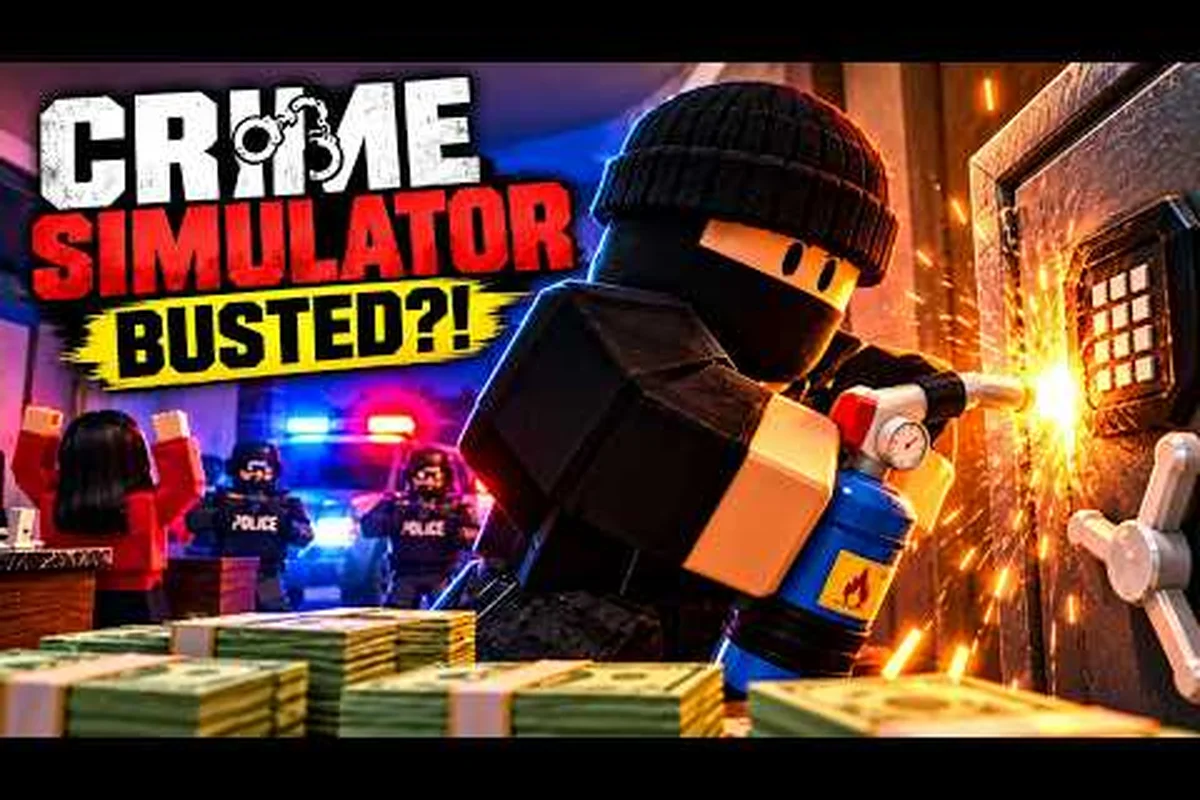
Criminal Simulator Co-op Heists: Solo Versus Crew Play
Compare criminal simulator co-op heists with solo runs across crew size, shared loot, role division, police pressure, and profit potential.
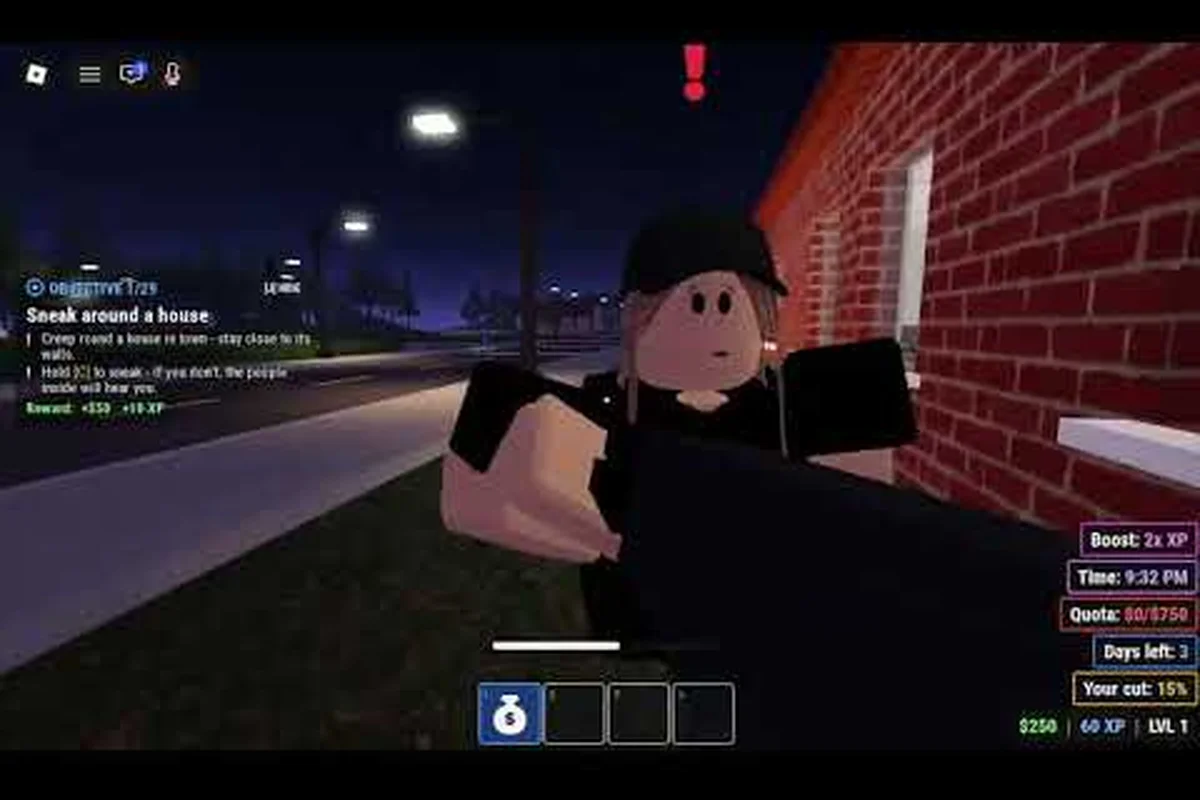
Criminal Simulator Co-op Runs: Team Night Heist Strategies
Improve criminal simulator co-op runs with target selection, role coordination, police evasion, and efficient teamwork for repeatable Roblox night heists.
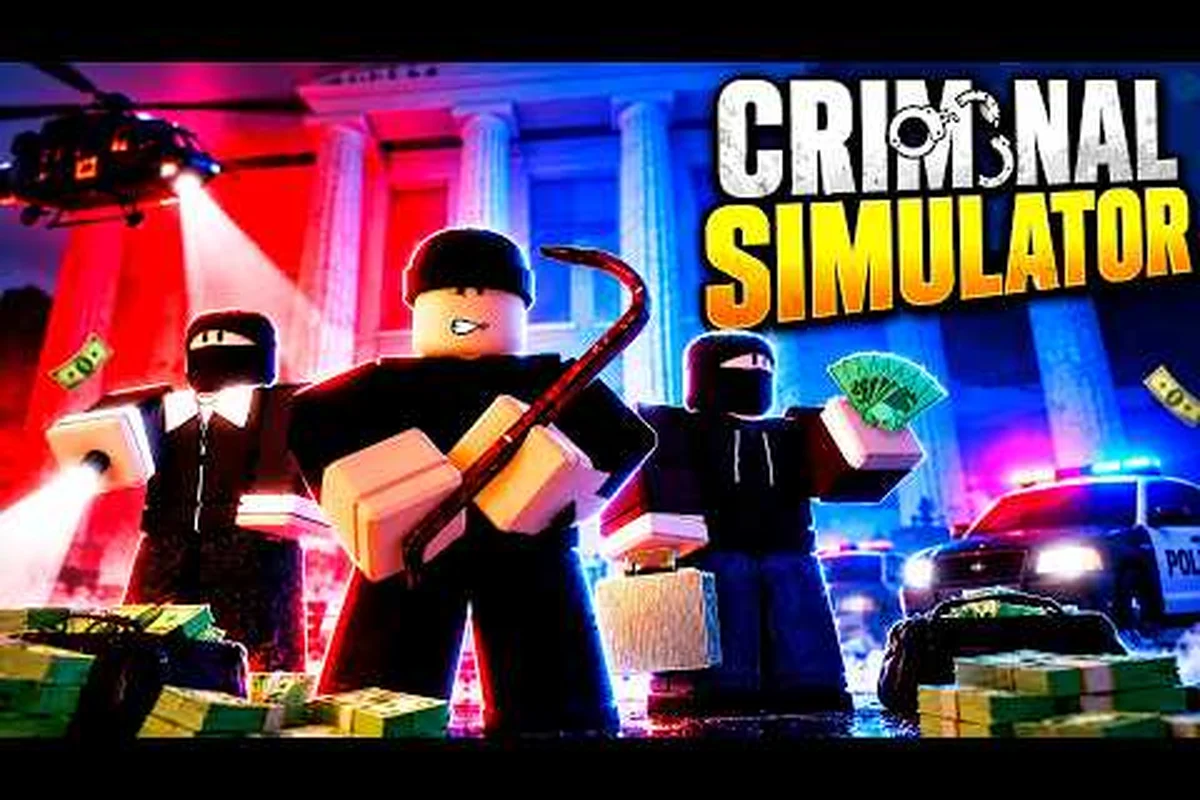
Criminal Simulator Multiplayer Night Heist: 4-Player Plan
Plan a criminal simulator multiplayer night heist with four-player duties, shared loot, escape timing, and ways to improve teamwork.
All Articles
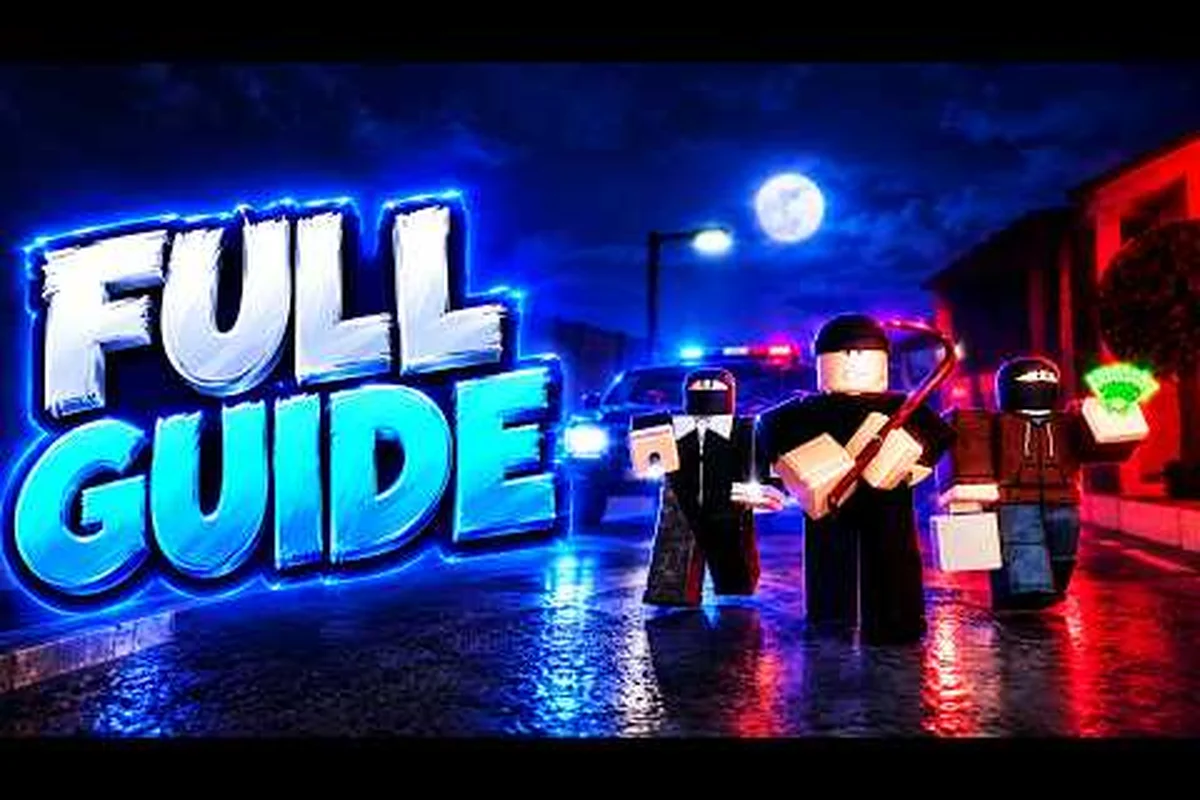
Criminal Simulator Play with Friends: Four-Person Crew Guide
Learn criminal simulator play with friends, including inviting a four-person crew, sharing loot, dividing jobs, and planning a team heist.
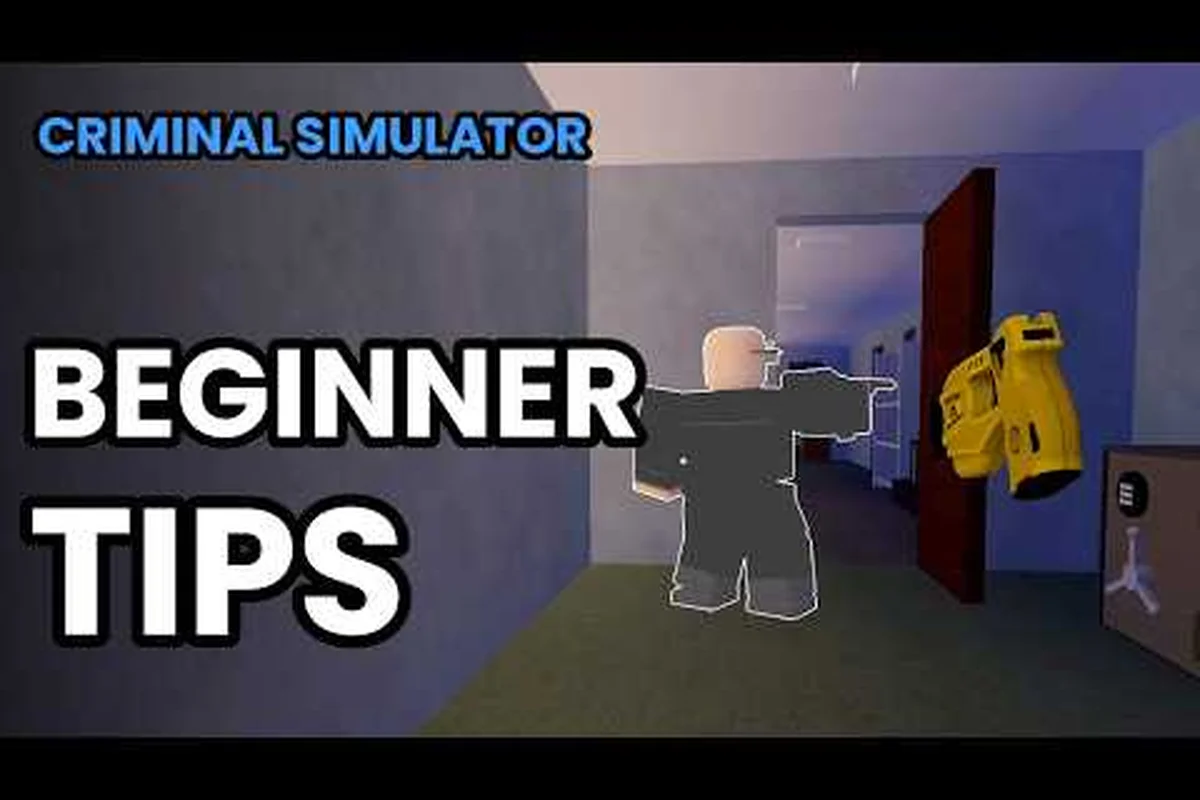
Criminal Simulator Roles in a Crew: Four Essential Jobs
Assign criminal simulator roles in a crew for entry, looting, lookout, and escape duties that improve teamwork across Roblox and other platforms.
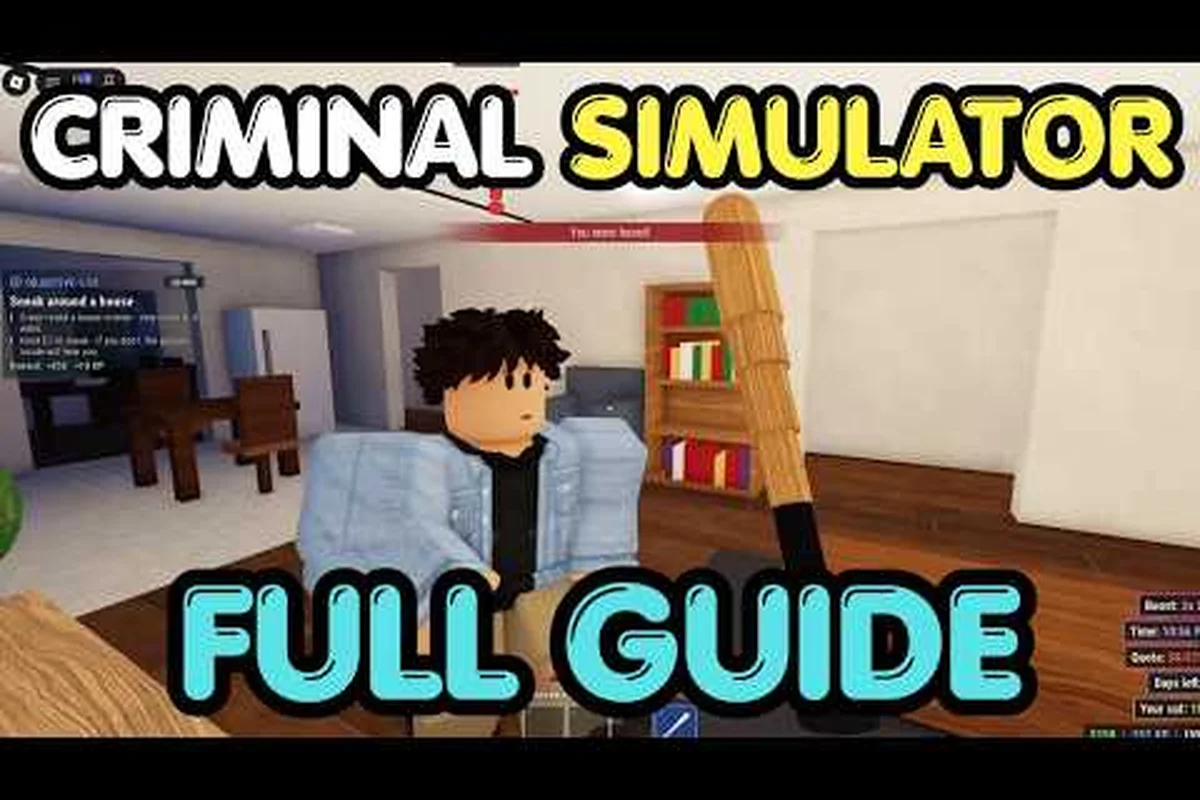
Criminal Simulator Trio Crew: Three-Player Heist Roles
Build a criminal simulator trio crew by assigning entry, looting, and lookout roles while balancing bag space, police pressure, and escape routes.
Criminal Simulator Playing on Mobile: Controls and Co-op Guide
Explore criminal simulator playing on mobile with Roblox controls, device support, and practical tips for coordinating night heists with friends on smaller screens.